Do You Really Need a Plumbing Inspection? Here’s the Truth
![[HERO] Do You Really Need a Plumbing Inspection? Here's the Truth](https://cdn.marblism.com/rZ5sRLdGGCf.webp)
Let’s be honest. When everything seems to be working fine in your Cleveland, TN home, the last thing on your mind is calling a plumber. The toilets flush. The showers drain. The water heater does its job. So why would you pay someone to come poke around your pipes?
It’s a fair question. And we get it a lot here at American Trail Plumbing.
The short answer? A plumbing inspection can save you a ton of money, stress, and headaches down the road. But let’s dig into the details so you can decide for yourself.
What Exactly Is a Plumbing Inspection?
A plumbing inspection is basically a checkup for your home’s water and drainage systems. A licensed plumber comes to your house and examines everything from your water heater to your sewer line. They check for leaks, corrosion, clogs, water pressure issues, and anything else that might cause problems.
Think of it like taking your car in for an oil change. You’re not waiting for the engine to blow up. You’re preventing it from happening in the first place.
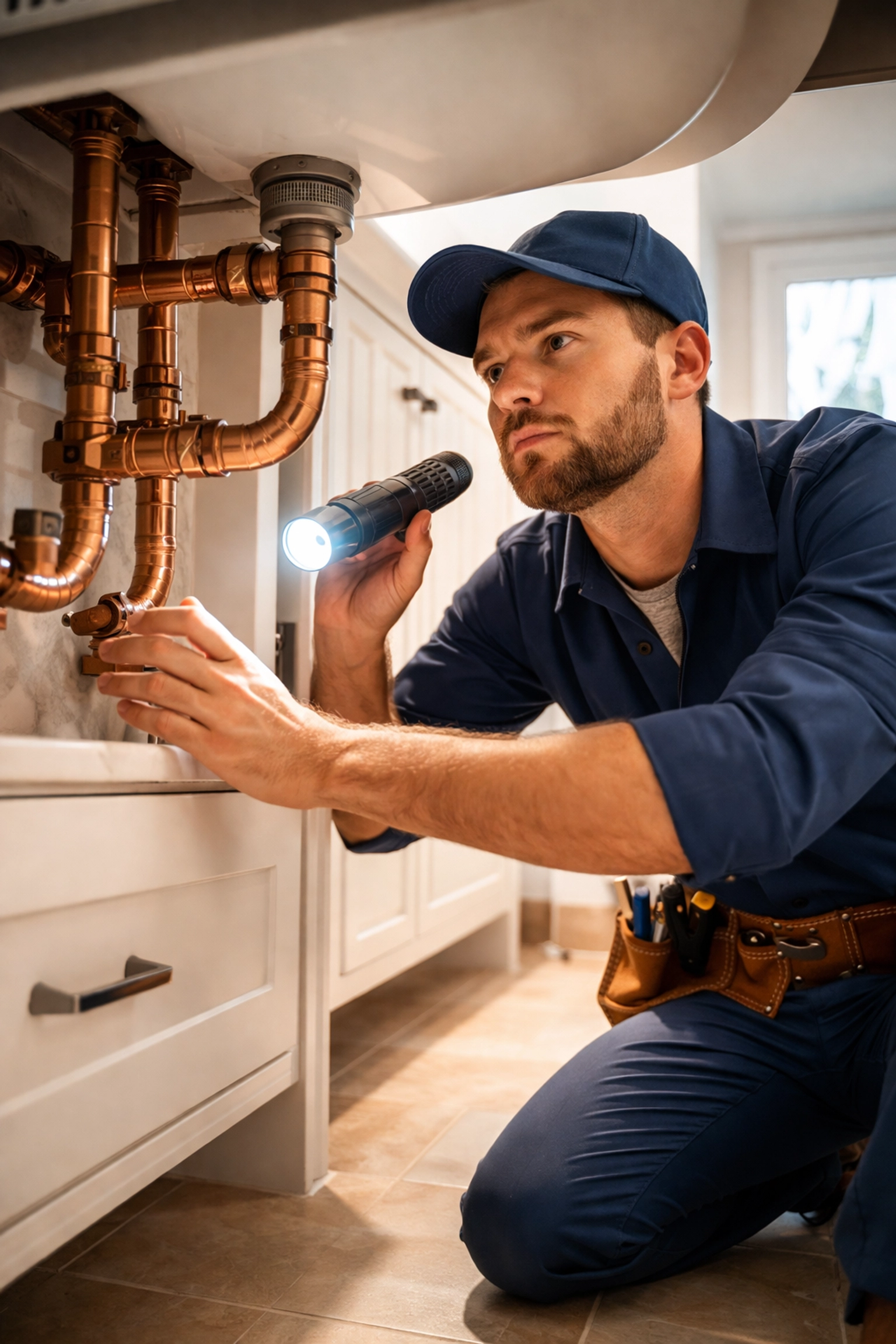
During an inspection, a plumber typically looks at:
- Water supply lines – checking for leaks, corrosion, or damage
- Drains and sewer lines – looking for clogs, slow drainage, or root intrusion
- Water heater – inspecting for sediment buildup, leaks, or aging parts
- Toilets, faucets, and fixtures – testing for leaks and proper function
- Water pressure – making sure it’s not too high or too low
- Visible pipes – checking for signs of wear, rust, or damage
It’s thorough, but it doesn’t take all day. Most inspections wrap up in an hour or two.
The Hidden Problems You Can’t See
Here’s the thing about plumbing. Most of it is hidden behind walls, under floors, and buried in your yard. You can’t see what’s going on unless you have x-ray vision. And by the time a problem becomes visible, like a water stain on the ceiling or a soggy spot in the yard, it’s usually been brewing for a while.
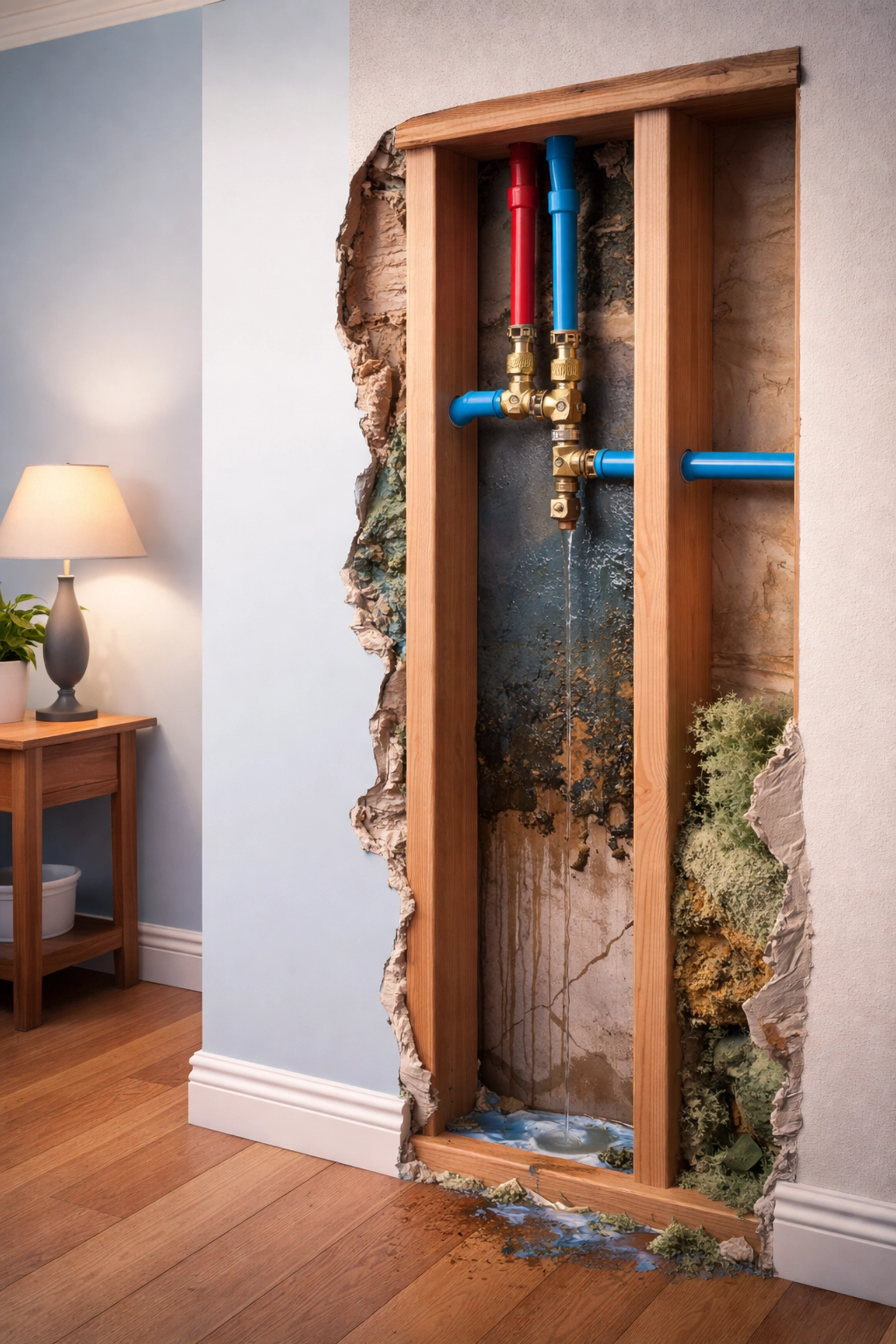
A slow leak behind your bathroom wall might only drip a tiny bit each day. But over months or years, that small drip can lead to:
- Rotting wood and drywall
- Mold growth
- Structural damage
- Expensive repairs
Catching that leak early? That’s a quick, affordable fix. Catching it after the damage is done? That’s a whole different story.
Regular plumbing inspections help identify these hidden issues before they turn into emergencies. And trust us, plumbing emergencies are never fun, especially at 2 AM on a Sunday.
How Much Money Can an Inspection Actually Save You?
Let’s talk numbers for a second.
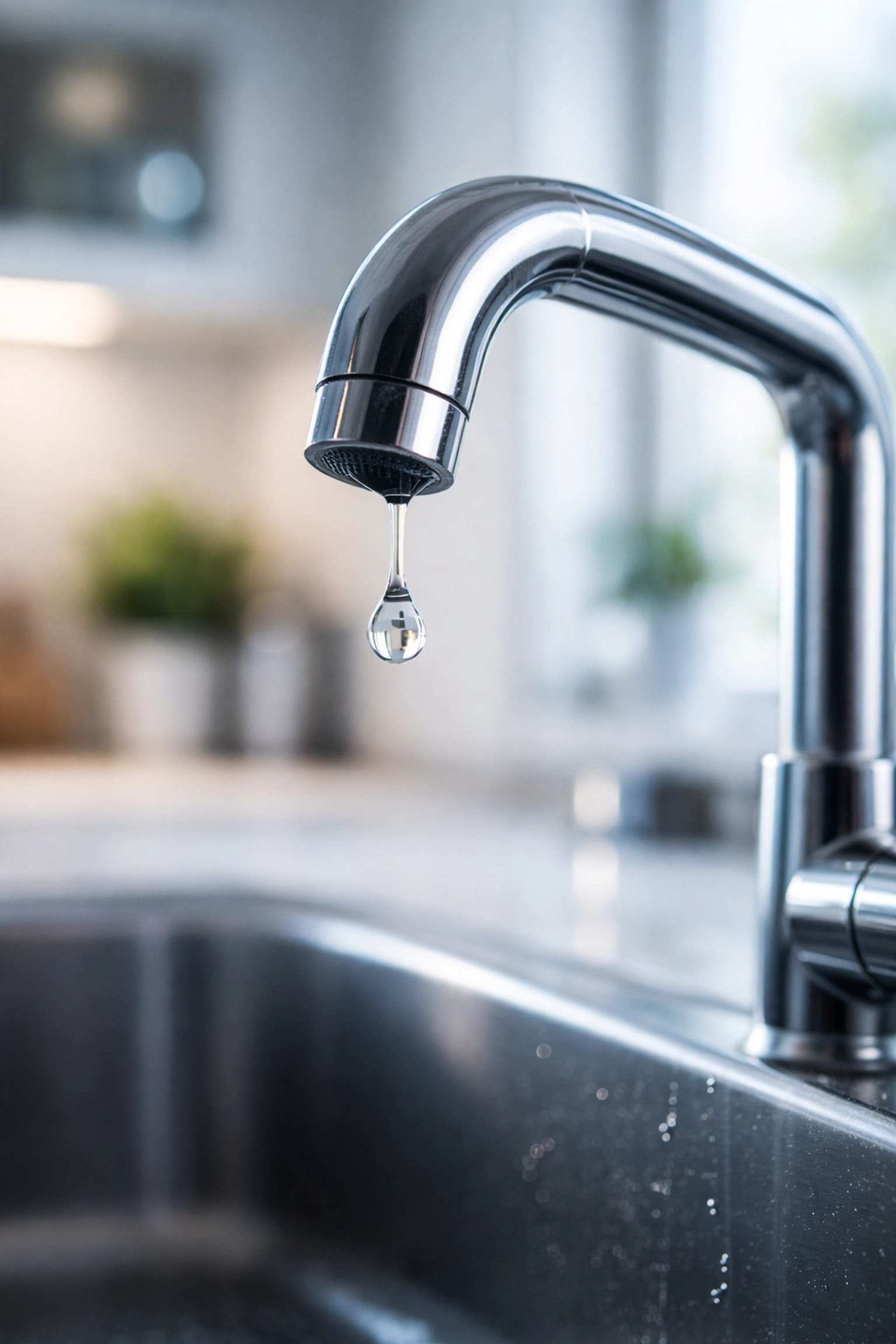
A single dripping faucet can waste over 300 gallons of water per year. That might not sound like much, but it adds up on your water bill. Now imagine you have a hidden leak somewhere in your system. Some homeowners discover they’ve been losing thousands of gallons of water without even knowing it.
Here’s what regular inspections can do for your wallet:
- Reduce water bills by 15-20% by catching leaks and inefficiencies
- Save up to 10% on your water bill just by identifying slow leaks
- Prevent major repairs that can cost thousands of dollars
- Extend the lifespan of your pipes, fixtures, and water heater
Think about it this way. An inspection costs a fraction of what you’d pay for emergency repairs or water damage restoration. It’s one of those “spend a little now, save a lot later” situations.
When Should You Schedule a Plumbing Inspection?
Most plumbers recommend getting an inspection once a year. It’s like an annual physical for your home’s plumbing system.
But there are certain times when an inspection is especially important:
When You’re Buying a Home in Cleveland, TN
If you’re house hunting in Cleveland or the surrounding Bradley County area, don’t skip the plumbing inspection. A general home inspection might catch some issues, but a dedicated plumbing inspection goes deeper. You want to know exactly what you’re getting into before you sign on the dotted line.
If Your Home Is Older
Older homes in Cleveland have a lot of charm. They also have older plumbing. Pipes from decades past may be corroded, outdated, or nearing the end of their lifespan. If your home is 25 years old or more, annual inspections are a smart move.
After a Major Plumbing Issue
Had a pipe burst or a sewer backup recently? Once the immediate problem is fixed, it’s worth having a full inspection to make sure there aren’t other issues lurking in your system.
If You Notice Warning Signs
Some signs that it’s time to call a plumber include:
- Slow drains in multiple fixtures
- Low water pressure
- Discolored water
- Unusual sounds in your pipes
- Higher than normal water bills
- Damp spots or musty smells
Don’t ignore these red flags. They’re your home’s way of telling you something’s up.
What Happens If You Skip Inspections?
Look, we’re not trying to scare you. But we’ve seen what happens when plumbing problems go unchecked for too long.
Burst pipes are one of the most common, and most damaging, plumbing emergencies. A corroded pipe or one with too much pressure can suddenly give way, flooding your home with water. The cleanup and repairs can cost tens of thousands of dollars.
Sewage backups are another nightmare scenario. When your sewer line gets clogged or damaged, waste can back up into your home. It’s messy, smelly, and a serious health hazard.
Mold growth is a sneaky problem that often starts with a hidden leak. Once mold takes hold, it can spread quickly and affect your indoor air quality. For people with allergies or respiratory issues, this can be a real health concern.
All of these problems are preventable with regular maintenance and inspections.
What to Do After Your Inspection
So you’ve had your inspection. Now what?
Your plumber will give you a rundown of what they found. If everything looks good, great! You’ve got peace of mind for another year.
If they find issues, don’t panic. Most problems caught during an inspection are minor and can be fixed quickly. Your plumber will give you recommendations and help you prioritize what needs attention right away versus what can wait.
The key is to actually follow through on those recommendations. An inspection only helps if you take action on the findings.
Why Cleveland, TN Homeowners Trust American Trail Plumbing
Here at American Trail Plumbing, we’ve been helping homeowners throughout Cleveland and Bradley County keep their plumbing in top shape. We know the local homes, the common issues, and what it takes to keep your system running smoothly.
We’re not here to upsell you on stuff you don’t need. We’re here to give you honest advice and reliable service. Whether you need a routine inspection, a quick repair, or help with a bigger project, we’ve got you covered.
The Bottom Line
So, do you really need a plumbing inspection?
If you want to avoid surprise emergencies, save money on water bills, protect your home from water damage, and extend the life of your plumbing system, then yes, it’s worth it.
It’s one of the simplest things you can do to take care of your home. And it beats dealing with a flooded basement or a backed-up sewer any day of the week.
If you’re in Cleveland, TN or the surrounding areas and you’re due for an inspection, give American Trail Plumbing a call. We’ll take a look at your system, let you know where you stand, and help you keep everything flowing smoothly.
Because when it comes to plumbing, a little prevention goes a long way.